 Sal, Cabo Verde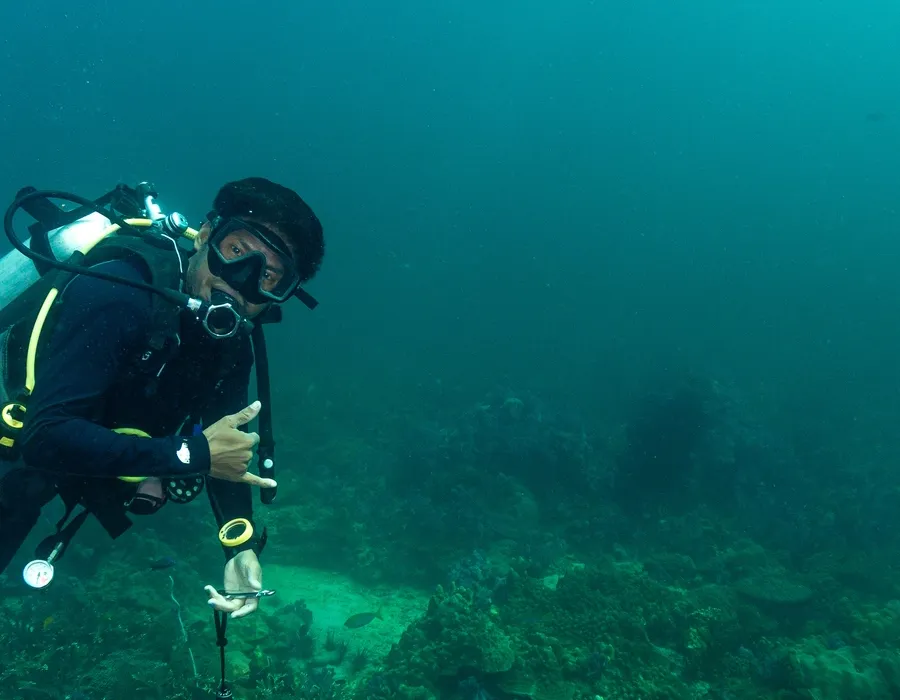
Sal is the island most visitors to Cape Verde land on first, and for many of them it becomes the place where they breathe underwater for the first time. Warm Atlantic water, volcanic rock formations, wrecks and resident sea turtles make scuba diving in Sal one of the best-value ocean experiences in West Africa.
But not all dive experiences on the island are equal. Reviews of diving in Sal tell two very different stories: unforgettable, calm dives with a patient instructor — or crowded boats, rough water and beginners who felt rushed. This guide explains what diving here is really like, when to go, what it costs and how to choose a dive centre that gives you the first version of the story.
What scuba diving in Sal is really like
Sal sits in the Atlantic roughly 600 km off the coast of Senegal. The underwater landscape is volcanic: dark basalt reefs, arches, caves and sand channels rather than the bright coral gardens of the Red Sea or the Maldives. What Sal lacks in hard coral it makes up for in life and atmosphere — big schools of fish, turtles that barely notice you, rays on the sand, octopus in the cracks and a genuine sense of diving in open ocean.
Most diving takes place along the southern and western coast around Santa Maria, where the island shelters the water from the prevailing north-east trade winds. Sites are usually reached by a short boat ride on a small rigid inflatable boat, and many are in the 8–20 m range, which makes Sal excellent for beginners and relaxed fun diving alike.
Marine life you can expect
Wildlife is the reason most people dive Sal twice. Sea turtles are the encounter guests mention most often in reviews, and many reef dives include at least one. Stingrays and eagle rays glide over the sand, moray eels and octopus hide in the rock, and large schools of Atlantic fish swirl around wrecks.
Nurse sharks rest on the bottom at some sites, and young lemon sharks are famously found in the shallows of the island's Shark Bay — a snorkelling trip rather than a dive. From roughly late winter to spring, humpback whales pass through Cape Verde waters; you are far more likely to hear their song underwater than to see one, but it is an unforgettable sound. Wildlife is never guaranteed, and a good guide will say so honestly.
Water temperature and visibility
Water temperature in Sal varies with the seasons: it is coolest around February and March, roughly 21–22 °C, and warmest from August to October, when it often reaches 25–27 °C. A 3–5 mm wetsuit is comfortable most of the year; your dive centre should supply one in the right size.
Visibility is often good — frequently 15–25 m on calm days — but it changes with wind and swell. This is where the quality of a dive centre shows: the best operators choose the site each morning for the actual conditions rather than running the same route every day.
Do you need experience or a certificate?
No. If you have never dived, you can join a Discover Scuba Diving experience: a short briefing, skill practice in calm, shallow water and then a supervised ocean dive to a maximum of 12 m with an instructor beside you. The minimum age is 10.
If you want to dive independently, the PADI Open Water course takes three to four days and certifies you to 18 m anywhere in the world. Already certified divers can join guided boat dives — bring your card and logbook.
How much does scuba diving in Sal cost?
Prices vary between operators and depend on what is included. When comparing, check whether the price covers full equipment, the boat, the guide, hotel pickup and park or certification fees. A cheap headline price with extras for everything is rarely the better deal.
At Bubble Blue we publish all-inclusive prices: a first dive €110, a two-dive guided boat trip €96 and the PADI Open Water course €420. The only optional extra is photos, and we tell you that up front.
How to choose a dive centre in Sal
The negative reviews of diving in Sal are remarkably consistent, which makes them useful. Before you book, ask these five questions:
- How many guests per guide? Groups of 15–20 per boat with two guides are common on the island. We cap ours at 6 guests per guide.
- What happens if the sea is rough? A serious centre cancels or moves the dive when conditions are poor, and does not charge you for it.
- Will I practise in calm water first? Beginners should never be dropped straight into open water.
- Is the price all-inclusive? Ask what is extra before you pay anything.
- Who answers my messages? Speaking to an instructor before you book tells you a lot about how you will be treated in the water.
Safety essentials before you dive
Everyone completes a short medical questionnaire before diving. If you have asthma, heart problems, recent surgery or take regular medication, ask your doctor to sign the form before your trip so nothing delays you on the island.
Plan your last dive at least 18 hours before your flight home, avoid alcohol the night before and tell your instructor if you feel unwell or nervous. Nerves are completely normal, and a good instructor will adapt the pace to you.
Types of dive sites around Santa Maria
Sites around Sal fall into three broad families. Shallow reefs in the 8–14 m range are where most first dives and refresher dives happen: lava fingers, sand patches and plenty of turtles, rays and reef fish. Wrecks — several sunken vessels lie off the coast — attract dense schools of fish and are often the highlight of a diver's week. Deeper rock formations with arches, swim-throughs and drop-offs suit Advanced divers and bring a better chance of larger pelagic life.
Rather than promising a fixed site, a good guide decides each morning based on wind direction, swell and the experience of the group. If someone tells you they always dive the same spot whatever the weather, that is a warning sign.
Ready to dive Sal?
Sal is one of the friendliest places in the Atlantic to discover diving — if you choose a small, honest operation. Send us your dates and experience level and an instructor will reply, usually within the hour. You can also read our guides to the best time to dive Cape Verde and what happens on your first dive.
Frequently asked questions
Is Sal good for scuba diving?
Yes. Sal offers warm Atlantic water, volcanic reefs, wrecks and frequent turtle encounters, with many sites in the 8–20 m range that suit beginners and fun divers.
Can beginners dive in Sal?
Yes. Discover Scuba Diving requires no experience or certificate. You practise in calm, shallow water and then dive to a maximum of 12 m with an instructor.